
Ireland’s climate Minister Darragh O’Brien recently admitted that Ireland will not only miss it’s 2030 climate targets but only achieve about half the goal reduction. That’s bad enough in terms of the climate impact, but additionally, Ireland could face fines up to €28bn for this missed goal.
In many countries the argument about not doing enough centres around the cost, but Ireland could absorb the cost quite easily due to the corporate tax Ireland takes in. The day before this announcement, the latest figures on Ireland’s corporate tax collections were released: the highest ever at €106bn for 2025. Whilst we don’t yet have the breakdown for which companies paid the most in 2025, the top 10 contributors to Ireland’s corporate tax receipts in 2024 included the tech giants Apple, Microsoft, Google, Meta and Intel.
Meanwhile, Ireland has quietly become a haven for the data centres that the big tech companies need. Just in December 2025, the same Minister was at the launch of a report showing that data centres are to consume at least 30% of Ireland’s electricity in 2030.
Data centres and airlines allowed to grow – at a cost
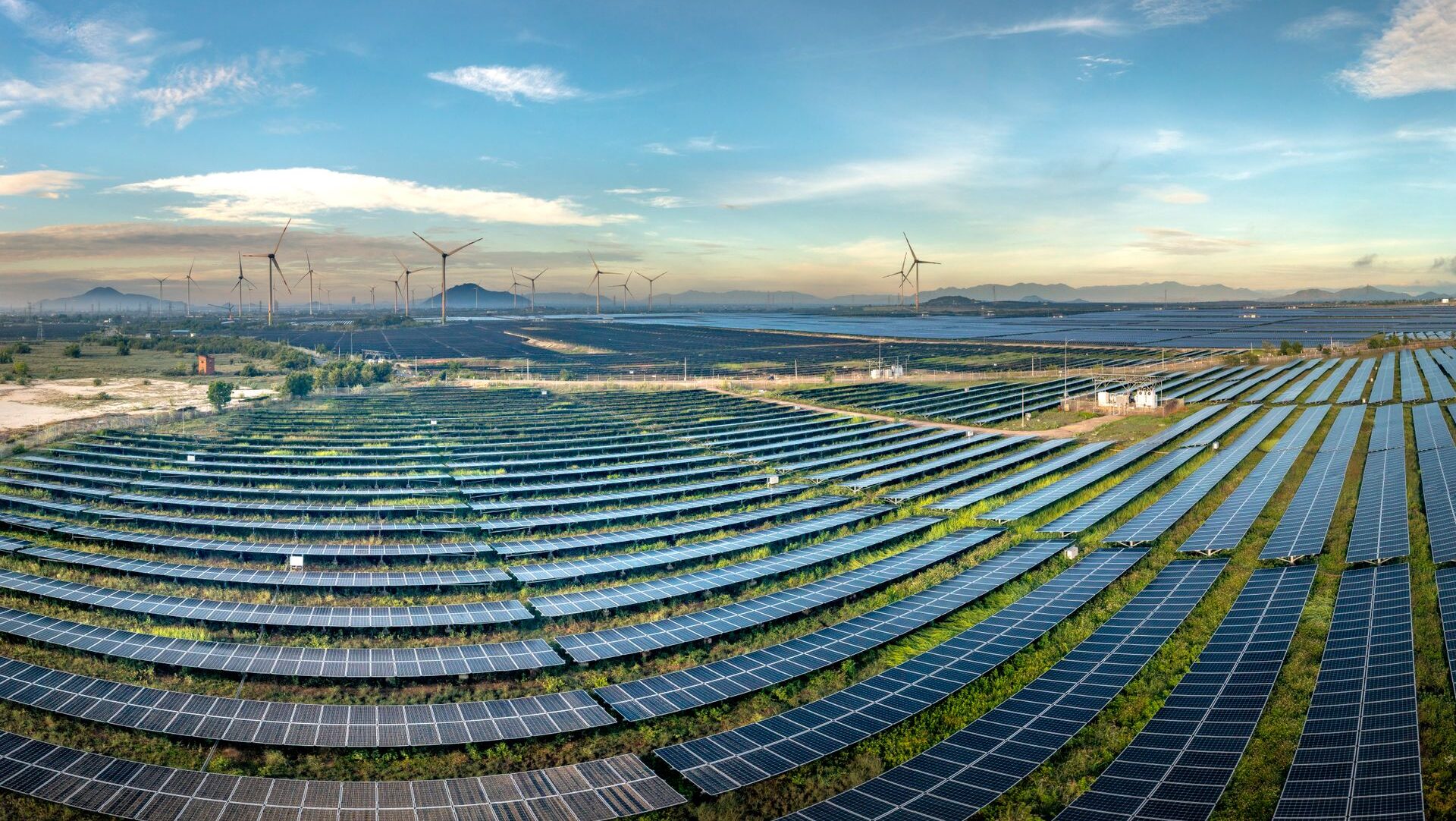
The implications of data centre growth for Ireland’s climate targets and carbon budget are immense. Between 2017 and 2023, all additional wind energy generation in Ireland was absorbed by data centres. Where the scale and pace of renewable energy growth cannot exceed that of electricity demand, renewables merely abate further increases in emissions rather than delivering the absolute reductions in greenhouse gas emissions required.
And due to their always-on nature and constant need for power supply, and the national grid power constraints, data centres have secured or are seeking connections to the natural gas network. All this is driving the need for additional fossil fuel powered supply in Ireland.
Meanwhile, the aviation sector – responsible for 10% of Ireland’s emissions – continues to emit with almost no climate policies in place. As with data centres, the Irish government appears content to allow businesses, whether airlines or data centres, endless opportunities to grow while using Ireland’s resources, without recognising the cost such activities on the climate and, ultimately, on the economy.
Increasing demands for electricity
Ireland has the ability to generate substantial revenues that could be used for decarbonisation. Replicating the UK’s passenger tax on aviation in Ireland would generate €6.3bn over five years. This would go a long way to meeting those fines and ensuring that it is the polluter who pays, rather than the general Irish taxpayer.
In the same Irish Times article, Darragh O’Brien promised that post-2030, emissions would come down rapidly, at least in part due to building out offshore energy to decarbonise Ireland’s electricity system. He did admit that electricity demand would double in the future and spoke about decarbonising transport as the biggest challenge.
It is certainly true that Ireland needs to build out more public transport, and to ensure that transport runs on electricity, not fossil fuels. But there was no mention and subsequently no plans for how to decarbonise aviation: a much trickier sector.
This is worrying on many levels, not least because it is another sector that will have a large demand for electricity. To decarbonise aviation, we’ll need fuels produced from renewable electricity – the current sector focus on biofuels is simply not scalable if we want to meet our biodiversity targets.
Interestingly, the report that showed data centres will consume 30% of Ireland’s electricity also stated that data centres are a key contributor to economic growth. This is also the argument used as to why the aviation sector should be exempt from general taxation (no fuel taxes, no VAT). But that has recently been challenged, showing that many assumptions about the economics of air transport come from vast generalisations that no longer apply in developed markets like Ireland.
It is probable that AI will contribute to economic growth, but it is not at all clear yet at what level and how. Many companies who have invested in AI are subsequently not finding it all that useful. So while investment in data centres might bring economic benefit, it is not yet proven, and a much closer eye should be put to the strain they are placing on Ireland’s climate targets. We can only hope that the Large Energy User Action Plan, due to be published today, really does chart a sustainable path for data centre build out in Ireland.
3 ways Ireland can step up and become the EU’s climate President
Now, Ireland has a clear concrete opportunity to step up its climate ambition this July when it takes on the Presidency of the EU. And, if it is minded to do it, Ireland also has the money to decarbonise properly and quickly.
Here are three concrete things that Ireland could lead on if it is really serious about a climate Presidency:
- Shipping: The vote on the Net Zero Framework – an international agreement with the potential to decarbonise maritime shipping will be at the International Maritime Organization next October. Ireland will have the opportunity to lead an ambitious EU position.
- Aviation: The EU Emissions Trading System (a cap on carbon emissions) is being reviewed and there is growing momentum for international aviation to be accounted for, for the first time.
- Data centres: Ireland could coordinate a proposal outlining strict EU rules on ensuring that data centres build out additional renewable energy. Any new data centre must be matched by at least 90% renewable energy from the commencement of operations rather than just taking the renewable energy away from the decarbonisation of transport and other sectors.
However, all of this would require Ireland to really kick itself into gear and set a new goal: knuckling down to tackle the hard gritty work on decarbonising the sectors Ireland has allowed to emit with abandon to date. I’ve set out here three concrete actions the government can take to run a climate Presidency of the EU – let’s hope they are listening.