


What drew you to work at OG?
Having spent a few years researching how ocean ecosystems are being impacted by climate change, I knew I wanted to work more directly on tackling the causes of the changes I was studying. I was looking for somewhere I could apply my scientific background (to make sure, very importantly, that I satisfied my craving for science and numbers), while trying to make a difference to climate action on a systemic level. It turned out that was exactly what OG was offering, and I feel incredibly lucky that OG’s inspiring teams of legal, policy and communications experts were looking for a scientist to help with their work.
The fact that I could do this kind of work from anywhere in the UK, and therefore remain close to family and the place I’d started to build my life, was also pretty unique. More generally, the fact that OG has adopted such progressive workplace policies, like the 4-day week and enhanced parental leave, really affirmed to me that OG is an organisation which backs up its stated values with genuine and meaningful action, and is the kind of place I’d love to work for.
What has changed since you started?
The standard answer to this question is that OG has continued to grow. While that’s definitely still true, in the interests of variety, I’ll highlight another change in the way our analytics team works as part of the wider organisation. We were a completely new team when I joined OG, and (in classic science fashion) we spent a lot of time and effort thinking about how we could most effectively support the work of OG’s other teams, as well as the types of new work we wanted to start ourselves.
Over the past year, we’ve been able to contribute positively to the work of OG’s other amazing teams, be that providing analysis for our legal team’s ports pollution briefing, quantifying the tourism impacts of aviation fuel levies or our analysis helping to demonstrate the huge potential of properly taxing airlines in Ireland. We’ve also started to develop our own, novel research, including on data centres and the impacts of nitrogen pollution from shipping.
Our thinking around where we sit at the science-policy interface, and how we use our skills to best deliver OG’s aims, is still going on today. As someone relatively near the start of my career, it’s been hugely valuable to have been a part of shaping this process and finding ways to be (hopefully!) useful, and I’m excited to continue developing and refining our role.
What are you most proud of being involved in since you joined?
Submitting OG’s first scientific conference abstract and contribution to a scientific paper. They were pretty niche contributions (on nitrogen pollution from ammonia ships, on the very small chance anyone’s interested) and represented close to a year of work. However, they felt like symbolic moments in the development of our team, being our first contributions to the academic research community and reflecting where OG sits at the interface of science and policy. Our aim is to apply the best available science and techniques to OG’s work, while at the same time influencing the direction of new and exciting research.
What inspires you about what you’re working on?
As an earth scientist, I’ve found myself working in the climate space because I’m interested in and inspired by our planet, how it functions and the ecosystems and societies it supports.
Since joining OG, that initial inspiration has remained, but I’ve become far more aware of, and inspired by, the human and societal elements of both the Earth system and the climate crisis. In part, that inspiration comes from the people I work with, both within and outside of OG, and the incredible work they do. It’s especially inspiring to have colleagues with such a diverse range of skills and expertise, and to see how they use legal, policy and communications tools to tackle the climate crisis through angles that I would never have thought of.
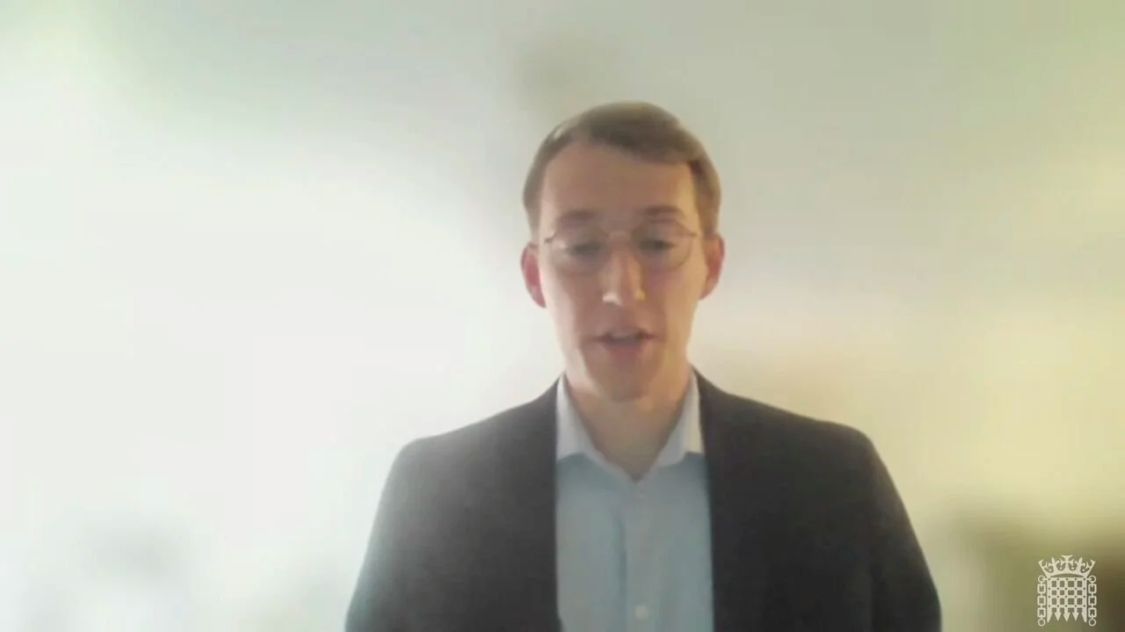
James giving evidence to the UK House of Lords Environment and Climate Change Committee on nitrogen pollution from the use of ammonia as a marine fuel.
What are you looking forward to in the coming year?
A few things, but one that stands out is the fight to end the exemption on international flights in the EU Emissions Trading System (ETS). It’s been particularly interesting working with OG’s legal, diplomacy, advocacy and communications teams on this topic so far. And it’s been equally infuriating to learn, as the outsider I was a year ago (and, in all honesty, would still consider myself to be), of the long history of exemptions to both taxes and climate regulations that the aviation industry has lobbied for, and subsequently enjoyed. While that same lobbying continues today, 2026 is a real opportunity to do things differently, and I’m looking forward to learning more and contributing to OG’s efforts in advocating for the inclusion of international flights in the EU ETS.